Why Your Brain Treats Print Differently Than Pixels
The Neuroscience of Touch
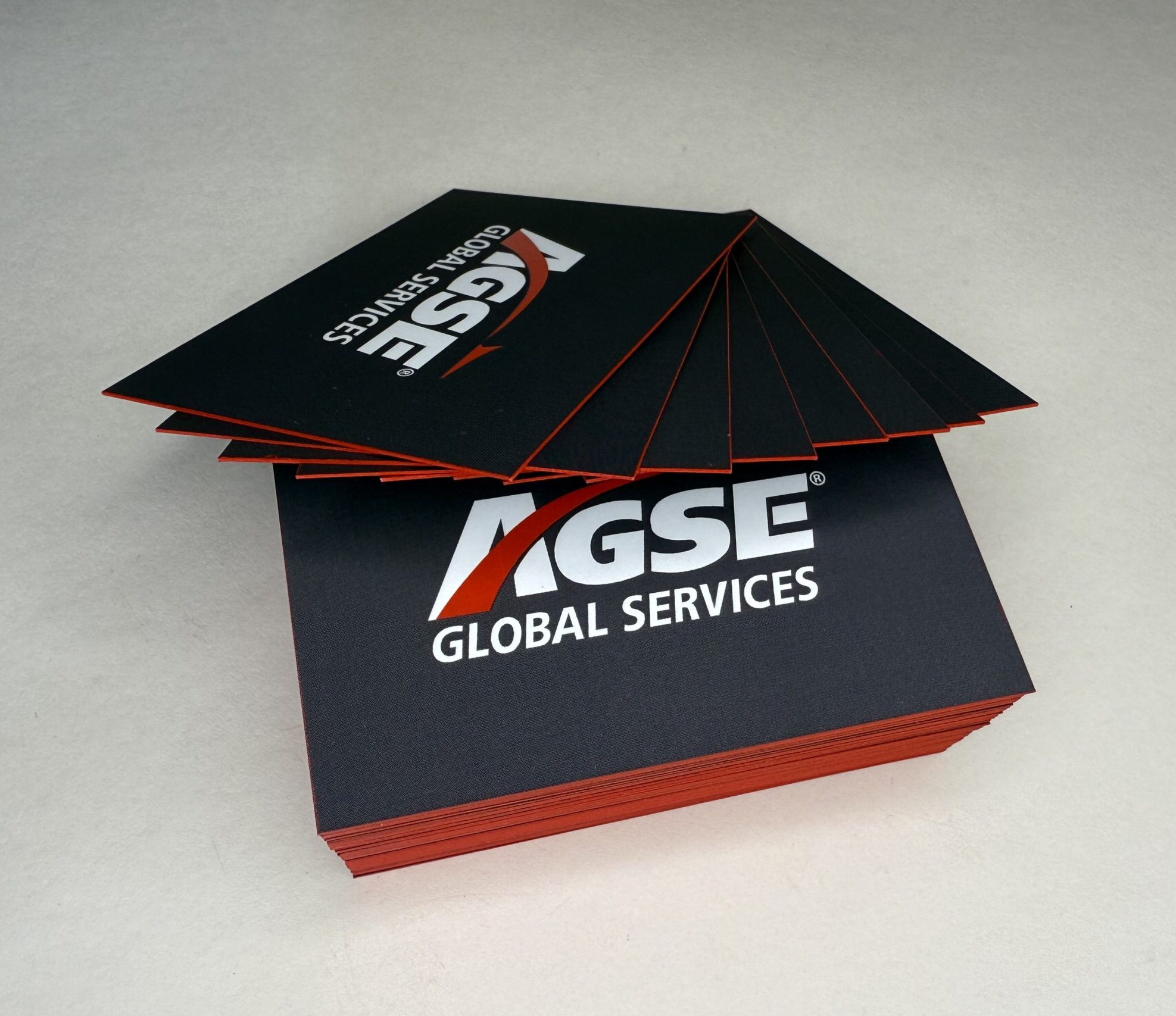
Last week, I watched a potential client unconsciously run their fingers across a
soft-touch business card sample during our meeting. Three times. Without realising it
(honestly, if you don't intentional watch a human's reaction to things during meetings, give it a try).
That small gesture reveals something fascinating about
how our brains are wired
, and why the psychology of print runs deeper than most realise.
Your Brain on Paper
When we interact with physical materials, our brains light up in ways that screens simply can't replicate. It's called haptic processing, and it's been shaping human decision-making for a VERY long time.
Here's what happens when someone touches quality print (bear with this bit):
- The somatosensory cortex (your brain's "touch headquarters") activates, creating multi-dimensional memory pathways
- Mirror neurones (your brain's "monkey see, monkey do system") fire, unconsciously associating texture quality with brand quality
- The anterior cingulate cortex (our brain's "emotional control centre") processes emotional significance differently than digital content
Translation? Good, because when we were researching this, we needed one too!
That business card isn't just carrying your contact details; it's literally
rewiring how people remember you.
The Trust Equation
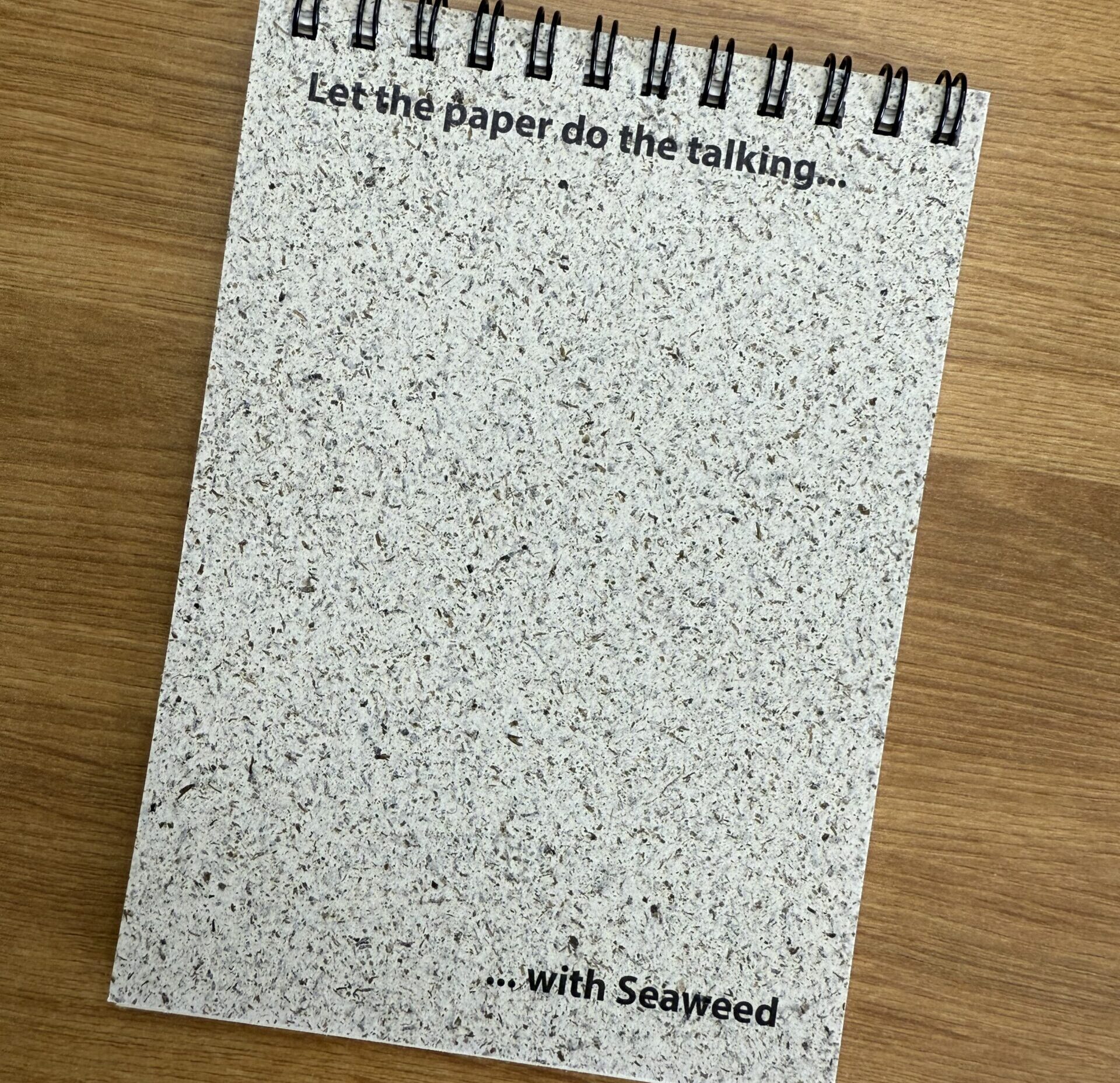
There's a reason why lots of contracts are still signed on paper, even in 2025. Physical materials trigger "embodied cognition" (a concept that suggests our physical experiences directly influence how we think, feel, and make decisions). Our brains use physical sensations to make abstract judgments.
- Rough texture = authentic, reliable
- Smooth finish = sophisticated, premium
- Substantial weight = important, valuable
- Cheap paper = questionable quality
Your prospects aren't consciously thinking this.
Their brains are deciding it for them, within seconds of contact.
The Attention Paradox
While everyone talks about shrinking attention spans, research shows something counterintuitive: we actually read print 20-30% slower than digital content. But here's the twist, that's exactly why it works better for complex messaging.
| "Slower Reading = Deeper Processing = Better Retention".
When someone reads your printed proposal, they're not just scanning for keywords. They're absorbing, considering, forming opinions. The medium forces the kind of thoughtful engagement that builds genuine business relationships.
The Subconscious Status Signal
Here's where it gets really interesting for B2B relationships.
Quality print materials unconsciously communicate investment and intentionality. When you hand someone a beautifully crafted presentation folder, their brain processes multiple signals:
- "They invested time in this"
- "They invested money in this"
- "They think this meeting matters"
- "They think I matter"
They aren't conscious thoughts; they're neurological responses happening below the radar of awareness.

The Scarcity Effect
In a world of infinite digital content, physical materials have become psychologically scarce. Scarcity triggers value perception. When everything else arrives via email, the printed piece stands out not just visually, but neurologically.
Our brains are pattern-recognition machines. When 99% of business communication follows the same digital pattern, the 1% that breaks it gets disproportionate mental real estate.
Practical Applications
Understanding print psychology changes how you approach business development:
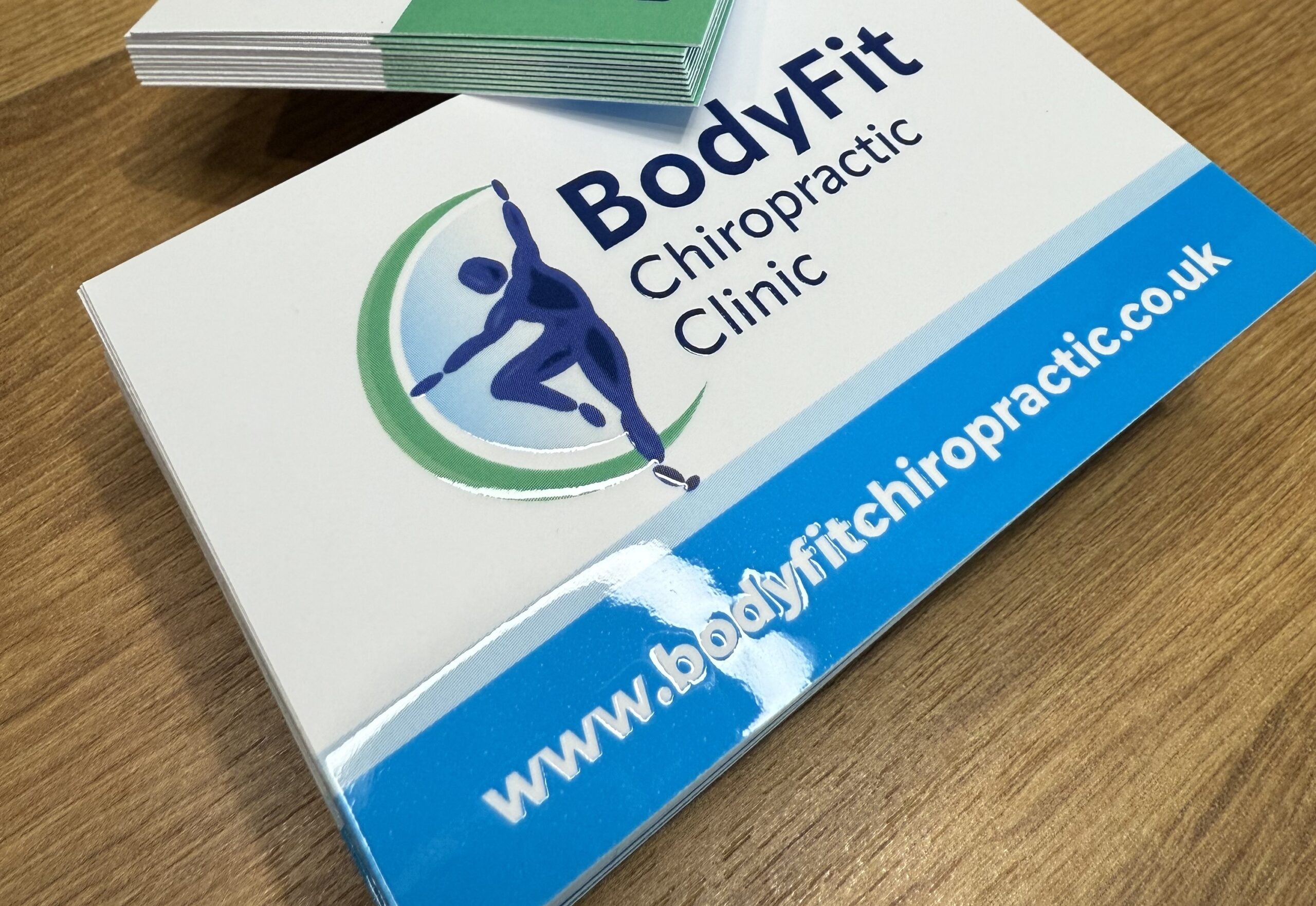
- First impressions ~ Premium business cards create instant credibility bias
- Proposals ~ Bound documents signal serious investment in the relationship
- Follow-Ups ~ Handwritten notes on quality paper trigger reciprocity responses
- Presentations ~ Physical leave-behinds ensure your message survives the meeting
The Integration Opportunity
The future isn't print vs. digital. It's understanding how each medium affects human psychology and using them strategically together.
Use digital for reach, frequency, and data.
Use print for impact, memory, and meaningful connections.
The brands that master this psychological interplay don't just get noticed, they get remembered, trusted, and chosen.
That soft touch business card our client couldn't stop touching? It was ours, and it's still sitting on their desk three weeks later. Their inbox, meanwhile, has processed thousands of messages since our meeting.
"We just received their first order."
Sometimes the most advanced marketing strategy is the most human one.